
The Effect of Supply Chains on E-Commerce and State Taxes
When supply chains break down, the effects reach far beyond shipping delays. State tax bases and e-commerce both feel the strain.
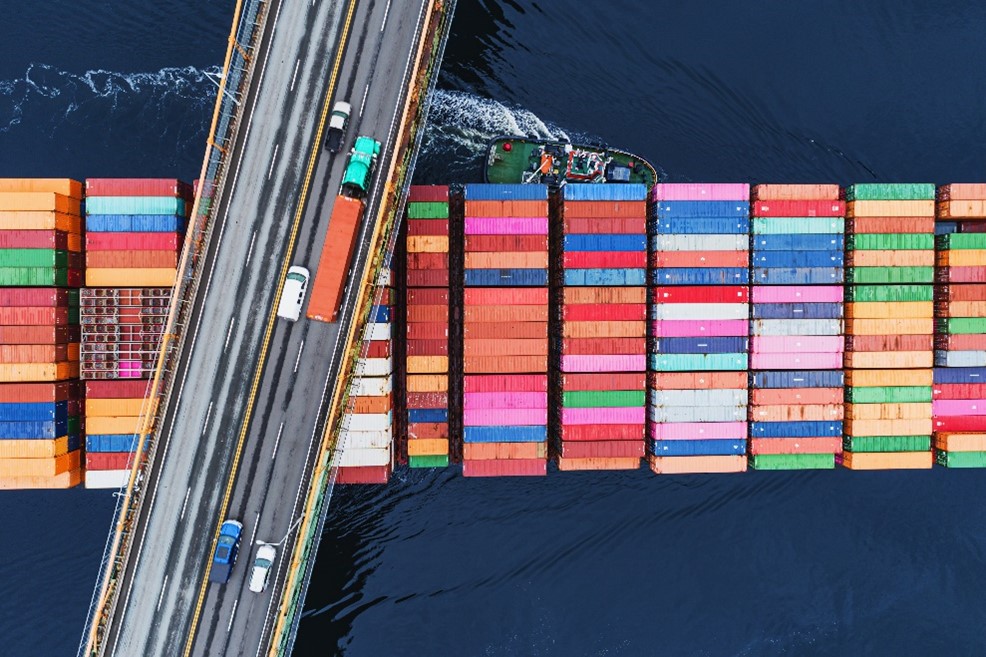
Supply chains and e-commerce are more connected than most businesses realize. And when one falters, the other feels it quickly.
How e-commerce is reshaping supply chain demands
Brick-and-mortar retail still accounts for most sales, but e-commerce is changing what consumers expect, and how fast they expect it. Online sales surged more than 120% in 2021, according to Reuters and Blue Yonder data, driven by pandemic lockdowns and a lasting shift in consumer comfort with digital shopping. That growth puts pressure on supply chain networks that were built for a linear, store-first world. They were not built for the direct-to-consumer digital economy we operate in today.
Disruptions compound quickly across the system
Supply chains have always faced stress from natural disasters, economic downturns, and political instability. But as e-commerce raises the stakes, the consequences of disruptions grow sharper. During the COVID-19 pandemic, 94% of Fortune 1000 companies reported supply chain impacts, and 75% faced negative effects on their business, according to an Accenture study. Cargo backlogs, factory shutdowns, and delivery bottlenecks cascaded across entire industries. More recent events (including sanctions tied to the Russia-Ukraine war) show that geopolitical tensions carry real supply chain risk too.
What supply chain stress means for state taxes
Fewer goods moving through the economy means less taxable commerce. Supply chain disruptions reduce product availability, push prices higher, and fuel inflation. All of which affect state tax revenue and tax bases. Federal relief funds provided a buffer for many states during the pandemic, but those resources are finite. States that proactively model supply chain risk into their tax and budget forecasting will be better positioned to respond when the next disruption arrives.
Building resilience instead of just rebuilding
The key insight from this eBook is that rebuilding a broken supply chain the same way it existed before is not a strategy. Resilience means removing single points of failure: having alternate suppliers, backup warehouses, and logistics flexibility that can absorb stress without breaking. As Vertex Principal Economist and Tax Policy Advisor George Salis explains, resilience is about being elastic across the full supply chain flow, from raw materials through delivery to the end consumer.
For businesses navigating e-commerce growth and the tax implications that come with it, understanding how supply chain decisions connect to state tax exposure is critical. The companies and governments that plan for disruption, rather than react to it, are the ones best positioned to grow with confidence.
Sales Tax Compliance Solutions for Retail & E-Commerce
Explore cloud-based solutions built to automate commerce for today’s global e-commerce businesses.
LEARN MORE