Supply Chain Disruption: What It Means for Business Resilience and Indirect Tax
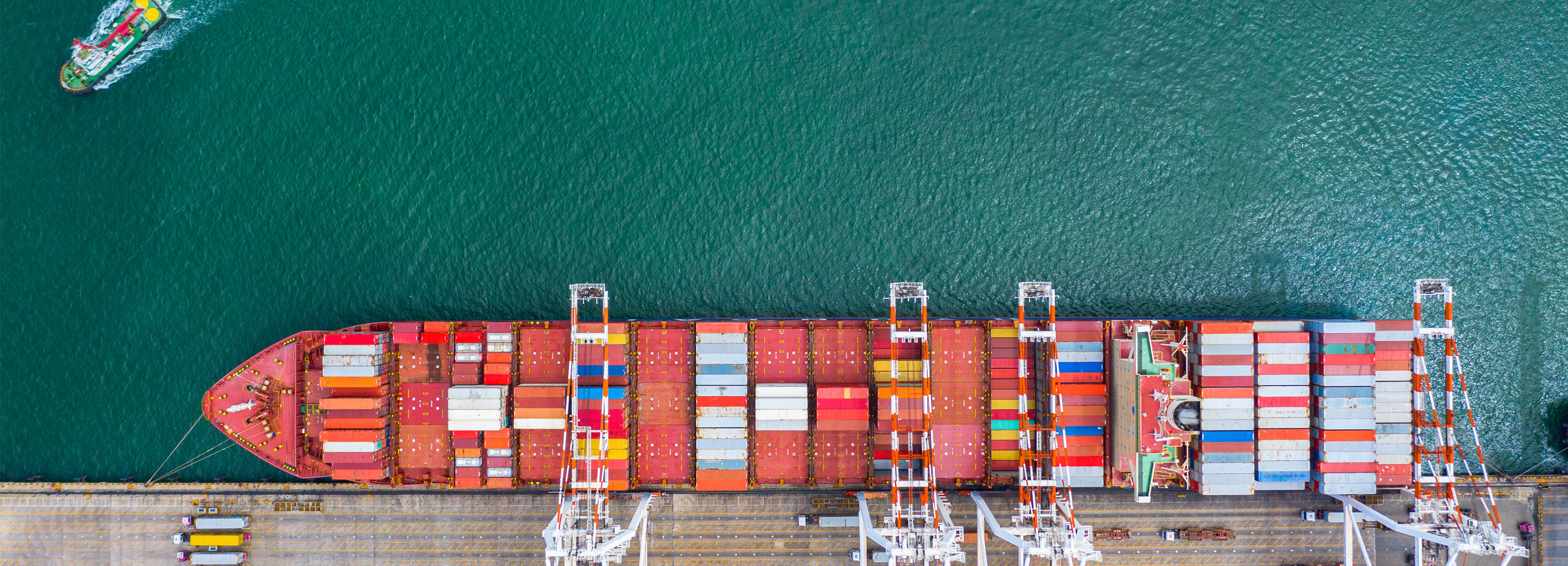
Supply chain disruption has become part of everyday business. Over the past few years, organizations have navigated everything from geopolitical tension to transportation bottlenecks, exposing just how interconnected global supply networks really are. When disruption hits, the impact rarely stops at sourcing or logistics. It often extends into finance, tax, compliance, and broader enterprise risk.
For tax teams, these ripple effects are becoming harder to ignore, and they can, in fact, represent opportunities for tax teams to add value. While supplier selection or routing decisions may sit outside their day‑to‑day responsibilities, the downstream consequences are very much in scope. Changes in where goods are sourced, how they move, or where they are stored can directly affect indirect tax obligations, cash flow, and compliance. These impacts are not always obvious, particularly when information is spread across disconnected systems.
That lack of visibility is often what turns routine disruption into an indirect tax issue. Rerouted shipments can trigger unexpected customs duties or fall under different duty classifications. New import activity may create VAT or GST reclaim opportunities that are missed because of documentation gaps or timing issues. In more complex scenarios, shifts in inventory locations or distribution models can introduce new registration requirements in jurisdictions the business has not previously dealt with.
In most cases, these outcomes are not the result of poor planning. They occur because teams are working from different data sets, with limited ability to see how operational changes affect tax in real time. By the time issues surface, costs have already been incurred, or compliance risks have already taken shape.
This is where integrated data becomes critical. Without a connected, real‑time view of supply chain, financial, and tax data, it is difficult to anticipate disruption and even harder to understand the indirect tax implications as they unfold. A centralized data foundation makes it possible to link operational signals such as supplier delays, route changes, or SKU substitutions with financial and tax information as events happen.
With that visibility in place, organizations can move beyond reactive responses. Integrated data supports AI‑driven alerts and anomaly detection, such as identifying when goods are diverted through a country where additional duties and other requirements apply. It also enables practical what‑if scenario planning, allowing teams to model how sourcing or routing changes could affect total landed cost, tax exposure, and compliance requirements before decisions are made.
As disruption becomes more persistent, tax teams are taking on a more strategic role. Their familiarity with ERP data, analytics, and regulatory interpretation positions them well to support early warning systems and response planning. When tax is involved earlier in supply chain discussions, organizations are better equipped to respond quickly while managing risk.
Looking ahead, the question is not whether supply chains will face further disruption. The real issue is how prepared organizations are to absorb it and adapt. From an indirect tax perspective, strengthening data connectivity and cross‑functional collaboration can make a meaningful difference. With the right mix of talent and technology, businesses can turn supply chain disruption into a manageable risk and reinforce resilience across the enterprise.
Disclaimer
Please remember that the Vertex blog provides information for educational purposes, not specific tax or legal advice. Always consult a qualified tax or legal advisor before taking any action based on this information. The views and opinions expressed in the Vertex blog are those of the authors and do not necessarily reflect the official policy, position, or opinion of Vertex, Inc.
Blog Author

Learn more about how Vertex solutions can help simplify tax complexity at every stage of the indirect tax lifecycle.
LEARN MORE